

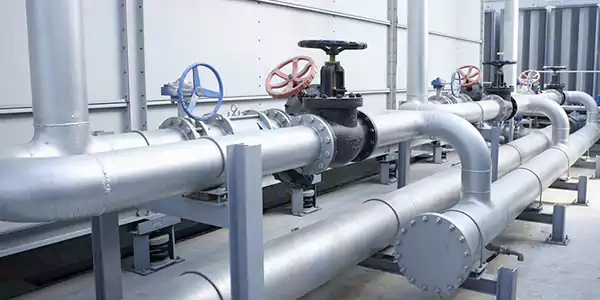
Specifications and Dimensions

Outer Diameter: 10.29 - 609.60 mm ( NPS ⅛″ - NPS 24″ )

Wall Thickness: 1.24 - 59.54 mm ( Sch 10 - 160, STD, XS, XXS )

Length: 3,000.0 - 12,000.0 mm

Customization is available.

Standard: ASTM A106 / A106M

Grade: Grade B

All products undergo rigorous inspection and testing before leaving the factory, and mill test certificates are provided.

The third party test (such as SGS, BV, etc.) can be added as required.

Rust Removal,Painting,Coating

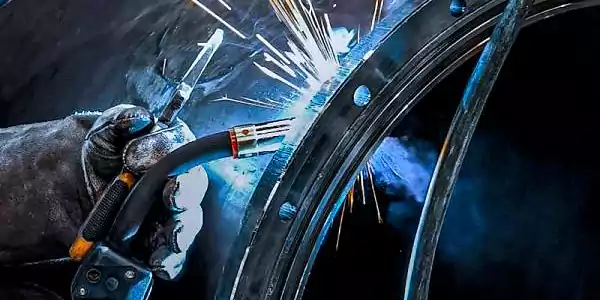
Custom dimensions, precision cutting, threading, bending, bevel cutting, heat treatment, etc

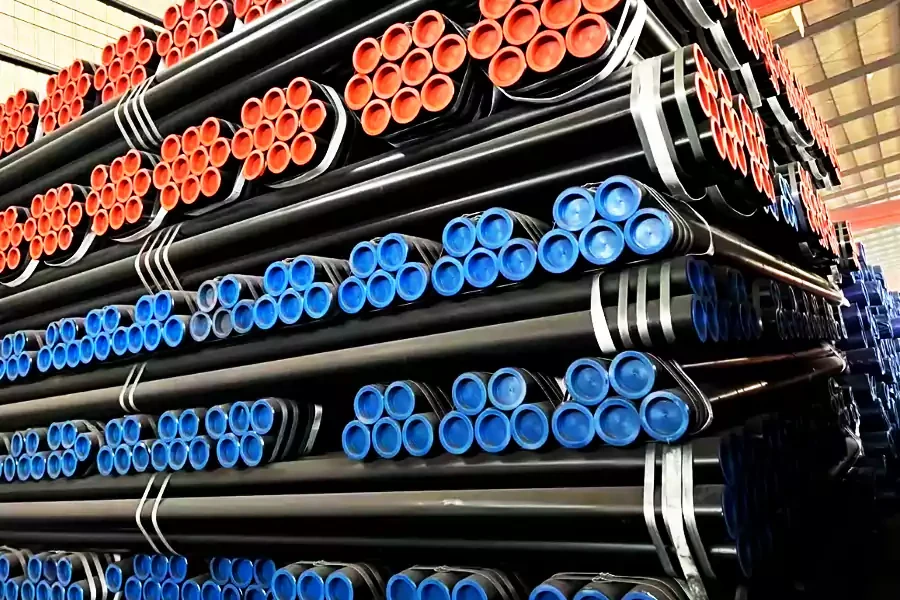
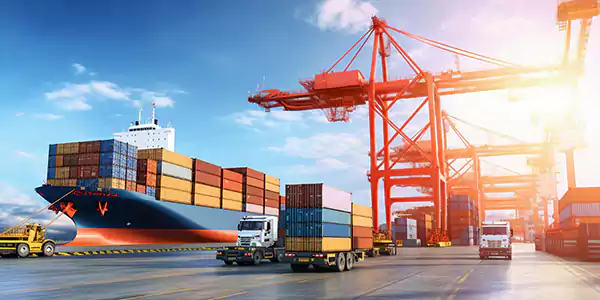
Packaging: Steel-strap bundling, standard export packaging for ocean freight, or packaging as required.

MOQ: 5 tons.

Delivery Time: 15 - 20 days

Payment Terms: T/T, L/C.

You can contact us in the following ways to learn more about our products.

What is ASTM A106 Grade B Carbon Steel Pipe?

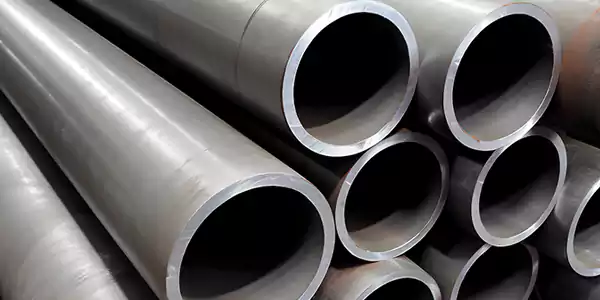
ASTM A106 Grade B carbon steel pipe is a seamless carbon steel pipe designed for high-temperature applications, specifically engineered for high-temperature, high-pressure piping systems in accordance with the ASTM A106/A106M standard.

This product features stable high-temperature strength, good ductility, and excellent weldability, making it one of the most widely used seamless steel pipes. It is extensively used in process piping systems across industries such as power generation, petrochemicals, and oil refining.

We supply ASTM A106 Grade B seamless carbon steel pipes in various specifications. We can provide pipes in sizes compliant with ASME B36.10M, accompanied by a complete Material Test Certificate (MTC), and support inspections by third-party organizations such as SGS and BV.

In addition, we offer one-stop precision machining services, including custom cutting, end finishing, bending, surface treatment, and cut-to-length services.

Specifications and Dimensions

# Product Name ASTM A106 Grade B Carbon Steel Pipe
1 Standard Specification ASTM A106 / A106M ( Standard Specification for Seamless Carbon Steel Pipe for High-Temperature Service )
2 Steel Grade Grade B
3 Cross-sectional Shape Round
4 Material Carbon Steel
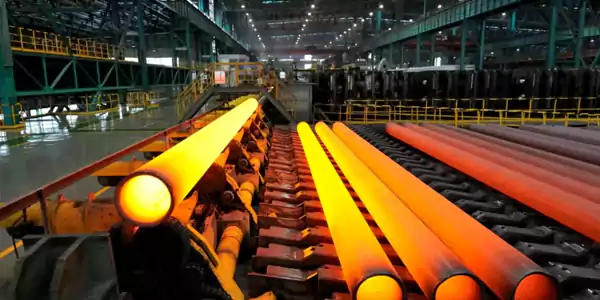
5 Manufacturing Process Seamless
6 Outside Diameter 10.29 - 609.60 mm ( NPS ⅛″ - NPS 24″ )
7 Wall Thickness 1.24 - 59.54 mm ( Sch 10 - 160, STD, XS, XXS )
8 Length 3,000.0 - 12,000.0 mm
9 Surface Treatment Rust Removal,Painting,Coating
10 Machining Services Custom dimensions, precision cutting, threading, bending, bevel cutting, heat treatment, etc
11 Inspection Dimensional inspection, chemical composition analysis, mechanical property analysis, hydrostatic testing (optional), non-destructive testing (optional), third-party inspection (optional, such as SGS, BV, etc.)
11 Certificate Mill Test Certificate (MTC, EN 10204-3.1)
12 MOQ 5 tons
13 Delivery Time 15 - 20 days
14 Packaging Steel-strap bundling, standard export packaging for ocean freight, or packaging as required
15 Place of Origin China

Note: We offer customization for products with special specifications and sizes.

Chemical Composition

ElementsCMnPSSiCrCuMoNiV
Content ( wt % )≤ 0.300.29 - 1.06≤ 0.035≤ 0.035≥ 0.10≤ 0.40≤ 0.40≤ 0.15≤ 0.40≤ 0.08

Mechanical Properties

Yield StrengthTensile StrengthElongation in 2 in. [50 mm]
Transverse strip test specimen,
and small-diameter full-section test specimen
Standard round test specimen
LongitudinalTransverseLongitudinalTransverse
≥ 240 MPa [35,000 psi]≥ 415 MPa [60,000 psi]≥ 30 %≥ 16.5 %≥ 22 %≥ 12 %

Characteristics and Advantages

Excellent High-Temperature Performance

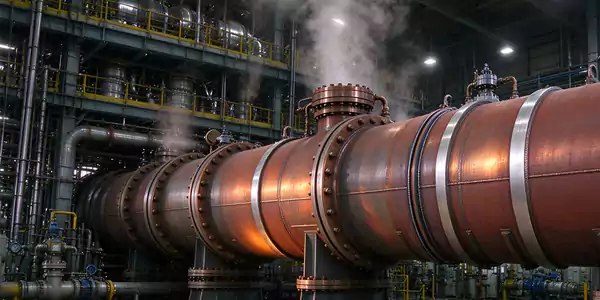
ASTM A106 Grade B is specifically designed for high-temperature seamless carbon steel pipe applications. It is suitable for high-temperature steam, hot oil, and process fluid transport systems that meet code requirements, and is widely used in refineries, chemical plants, and power generation facilities.

Reliable Pressure-Bearing Performance

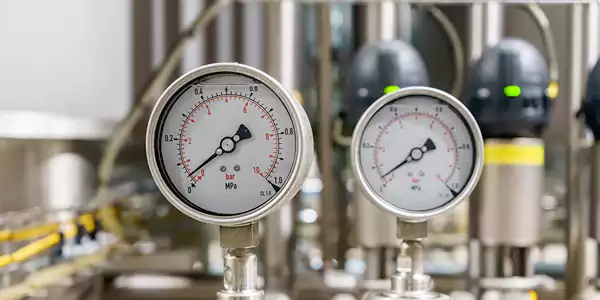
The seamless construction eliminates weak areas caused by welds, enabling the pipe to withstand stresses resulting from internal pressure and temperature fluctuations. Actual pressure-bearing capacity depends on pipe diameter, wall thickness, design temperature, material properties, and applicable codes.

Stable Mechanical Properties

It combines the strength and ductility required for conventional industrial piping projects: a minimum tensile strength of 415 MPa and a minimum yield strength of 240 MPa, providing a clear basis for material selection and pipeline design.

Excellent Welding and Fabrication Properties

Suitable for pipeline assembly using qualified welding procedures, and can be cut, grooved, bent, and joined according to project requirements. Welding preheating and post-weld heat treatment measures should be determined based on pipe wall thickness, material composition, and engineering specifications.

Wide Range of Industrial Applications

Suitable for pipelines in refining, petrochemical, chemical, power generation, steam transport, industrial boiler systems, and general high-temperature process lines, meeting the transportation needs of various industrial fluids.

Well-Established Supply Chain and Specification System

Market supply is well-established, with common specifications covering a wide range of outer diameters and wall thicknesses, facilitating selection based on pipeline design, procurement plans, and project standards. Specific specifications, delivery conditions, and testing requirements are subject to the purchase order.

Good Overall Cost-Effectiveness

While meeting design temperature, pressure, and service life requirements, ASTM A106 Grade B typically offers favorable procurement and fabrication economics, helping to control costs associated with pipe procurement, installation, and maintenance.

Well-Established Quality Control and Inspection System

Chemical composition analysis, tensile testing, bending or flattening tests, and specified non-destructive testing and dimensional inspections can be conducted in accordance with standard requirements, facilitating project quality traceability and acceptance.

Applications

Oil and Gas Industry

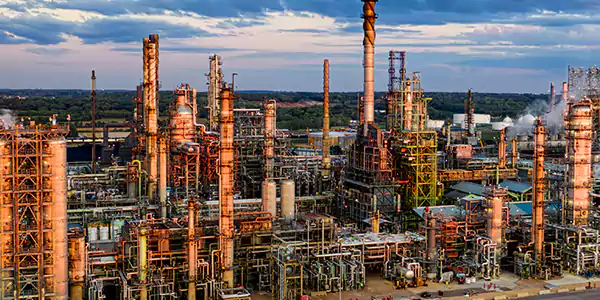
Used for process piping in refineries, natural gas processing facilities, and oil and gas production units, such as crude oil transmission pipelines, oil and gas processing pipelines, hot oil pipelines, and auxiliary fluid piping.

Petrochemical and Chemical Plants

Used for process fluid piping in refining and petrochemical plants, piping connecting heat exchange systems, piping for distillation units, and other high-temperature process piping.

Power and Thermal Energy Industry

Used for certain steam pipelines, feedwater and auxiliary system pipelines, thermal energy transmission pipelines, and high-temperature equipment connection pipelines in thermal power plants.

Industrial Boilers and Steam Systems

Used for industrial steam transmission pipelines, boiler auxiliary pipelines, hot water circulation systems, and factory thermal energy distribution systems that comply with design specifications.

Heat Exchangers and Industrial Fluid Systems

Used for connecting pipelines for certain heat exchange equipment, industrial circulating water pipelines, thermal oil systems, and process fluid transport systems.

General Industrial Piping and Equipment Manufacturing

Used for certain factory utility pipelines, compressed air lines, equipment connection pipelines, and industrial fluid transport systems.

FAQ

The main differences between the two are as follows:

Grade C: Has a higher maximum carbon content (up to 0.35%, compared to 0.30% for Grade B) and higher tensile and yield strengths. Its advantage lies in its higher allowable stress, which allows for thinner wall thicknesses; its disadvantage is poorer weldability, requiring preheating and post-weld heat treatment.

Grade B: The standard grade for most high-temperature piping; it features a relatively simple welding process and is more suitable for routine on-site construction.

The standard maximum operating temperature for ASTM A106 Grade B steel pipes is typically 425°C, which is the upper temperature limit commonly adopted in engineering practice.

The key differences lie in carbon content, mechanical strength, and suitability for operating conditions:

Grade A: Lower carbon content, better ductility and weldability, but lower strength; suitable only for conventional low-temperature, low-pressure operating conditions;

Grade B: Higher carbon content and strength, with superior resistance to moderate temperatures and pressure; it has a broader range of applications and can meet the requirements of most mid-range industrial piping projects.

Get Your Custom Quote Now

We offer one-stop steel solutions, encompassing steel products and technical services, with a particular expertise in providing customized supplies for complex engineering applications. Please contact us for more detailed technical specifications.